
Summary
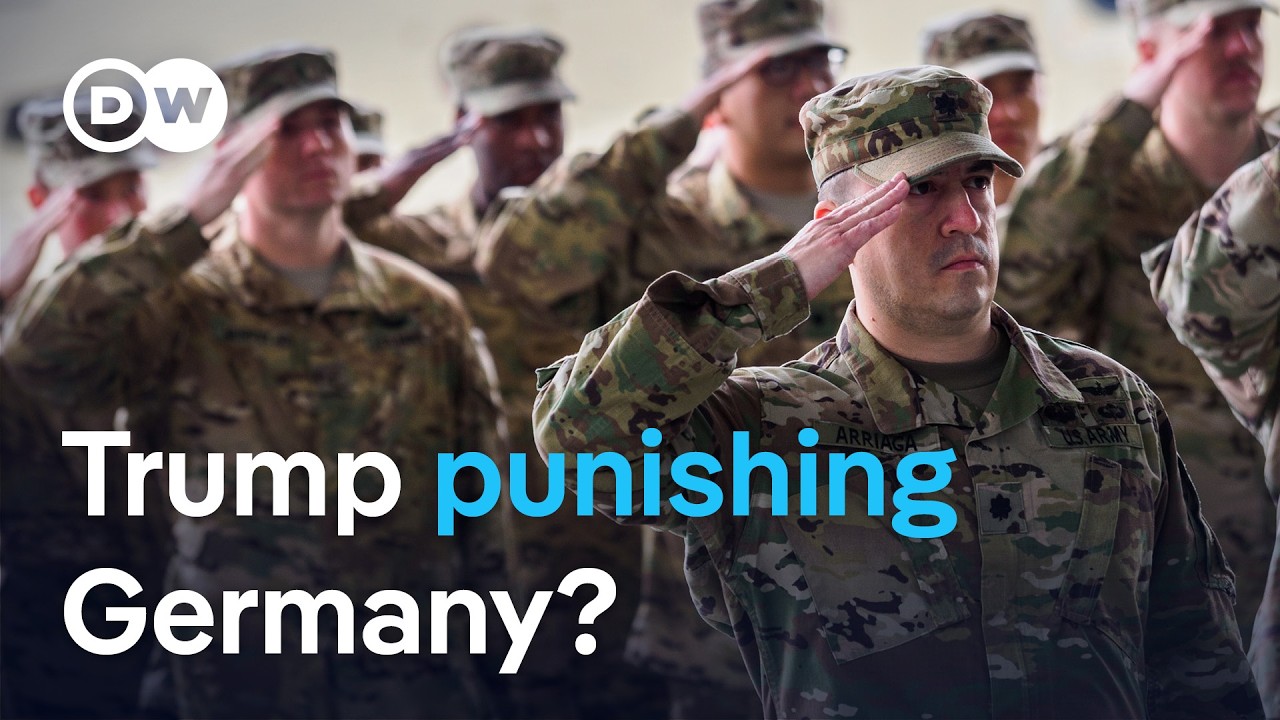
The **Pentagon** announced plans to withdraw approximately **5,000 U.S. troops** from **Germany** within the next six to twelve months. This move, reportedly fulfilling a directive from President Trump, represents a substantial reduction in the American military presence in Europe. The decision has ignited concerns among allies about **NATO**'s collective defense capabilities and has been framed by some as a consequence of Germany's perceived failure to meet defense spending targets. The withdrawal could reshape the U.S. military's footprint in Europe and influence future security arrangements on the continent, impacting both **U.S. foreign policy** and **European security** dynamics.
Key Takeaways
- The U.S. is set to withdraw 5,000 troops from Germany within a year.
- The move is reportedly driven by President Trump's administration.
- Concerns are high regarding the impact on NATO's collective defense and European security.
- The decision is linked to ongoing debates about defense spending within NATO.
- This withdrawal signifies a potential shift in U.S. military posture in Europe.
Balanced Perspective
The withdrawal of 5,000 troops from Germany, a key NATO ally, is a significant operational and strategic shift. The stated rationale, tied to defense spending, highlights ongoing tensions within the alliance regarding financial contributions. The precise impact will depend on the specific units withdrawn, their roles, and how their absence is compensated for by either German forces or other NATO members. The timeline of six to twelve months allows for a phased adjustment, but the long-term implications for regional stability and deterrence remain to be seen.
Optimistic View
This troop withdrawal could be a catalyst for **NATO allies** to increase their own defense spending and take greater responsibility for European security, fostering a more equitable burden-sharing arrangement. It might also allow the U.S. to reallocate resources to more pressing strategic priorities, such as the Indo-Pacific, while still maintaining a robust presence in Europe through rotational deployments and enhanced capabilities. This could ultimately lead to a more agile and responsive transatlantic alliance.
Critical View
This troop reduction signals a potential weakening of the U.S. commitment to European security, potentially emboldening adversaries like **Russia**. It could create a vacuum that destabilizes Eastern Europe and undermines NATO's credibility, especially if Germany and other allies do not adequately compensate for the loss of U.S. forces. The move risks alienating a crucial ally and could be interpreted as a sign of American isolationism, fracturing the transatlantic alliance at a critical juncture.
Source
Originally reported by PBS