
Summary
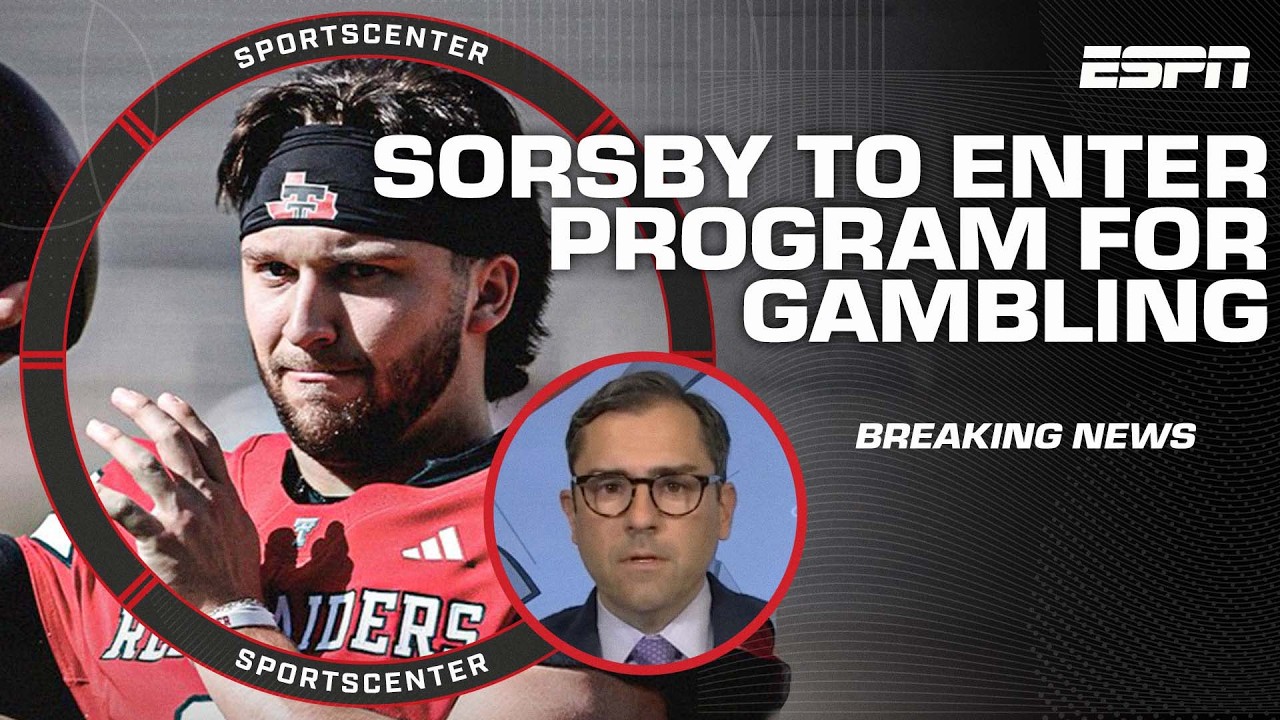
The recent news about **Brendan Sorsby**, the Texas Tech quarterback, seeking treatment for **gambling addiction** has brought attention to the growing issue of sports betting in college football. This scandal is considered one of the first major cases of its kind in the sport, with many questioning how **NCAA** regulations and **sports betting laws** can be improved to prevent similar situations in the future. The incident has also raised concerns about the impact of the **sports betting boom** on college athletes, with some arguing that it creates an environment that fosters addiction and corruption. As the story unfolds, it is likely to have significant implications for **college football**, **sports betting**, and **athlete welfare**. For more information on the topic, see [[college-football|College Football]] and [[sports-betting|Sports Betting]].
Key Takeaways
- The **Brendan Sorsby** scandal highlights the need for increased awareness and education about the risks of sports betting
- The **sports betting industry** has a responsibility to promote responsible gaming practices and provide resources for those struggling with addiction
- The **NCAA** must take action to address the issue of sports betting in college football and protect athletes from addiction and corruption
- The **sports betting boom** has created a complex issue that requires a comprehensive approach to regulation and education
- The **NCAA** and **sports betting industry** must work together to promote responsible gaming practices and provide resources for those struggling with addiction
Balanced Perspective
The **Brendan Sorsby** case highlights the complexities of the **sports betting boom** and its impact on college football. While some argue that sports betting can be a harmless form of entertainment, others point out that it can create significant risks for athletes, including addiction and corruption. As the **NCAA** and **sports betting industry** navigate this issue, it is essential to consider the potential consequences of different approaches, including the development of new regulations, education and awareness campaigns, and support systems for athletes. For more information on the topic, see [[sports-betting-industry|Sports Betting Industry]] and [[college-athlete-welfare|College Athlete Welfare]].
Optimistic View
The decision by **Brendan Sorsby** to seek treatment for **gambling addiction** is a positive step towards addressing the issue of sports betting in college football. This move could lead to increased awareness and education about the risks of sports betting, as well as the development of more effective regulations and support systems for athletes. As the **NCAA** and **sports betting industry** work together to address the issue, it is possible that we will see significant improvements in the way that sports betting is regulated and monitored, ultimately leading to a safer and more responsible environment for college athletes. For more information on the topic, see [[responsible-gaming|Responsible Gaming]] and [[sports-betting-regulation|Sports Betting Regulation]].
Critical View
The **Brendan Sorsby** scandal is just the tip of the iceberg when it comes to the issue of sports betting in college football. The **sports betting boom** has created an environment that fosters addiction and corruption, and it is likely that we will see more cases like this in the future. The **NCAA** and **sports betting industry** have a responsibility to take action to address the issue, but it remains to be seen whether they will be able to effectively regulate the industry and protect college athletes. For more information on the topic, see [[sports-betting-addiction|Sports Betting Addiction]] and [[college-football-corruption|College Football Corruption]].
Source
Originally reported by ESPN